
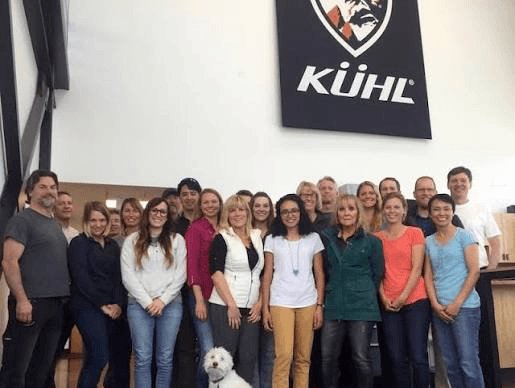

It’s easy to find rumors or headlines that suggest KÜHL might be going out of business. You might spot a closed store, an old listing, or some chatter online. But don’t let surface-level news worry you. Right now, KÜHL is strong, healthy, and continuing to grow as a top player in the outdoor apparel industry.
Some of the confusion comes from misunderstandings—similar names or local issues get mixed up with global brand health. Let’s clear up these common misconceptions so you can make informed decisions as a business owner or customer.
Company Status and Growth
KÜHL stands out as one of the last privately owned outdoor apparel brands in its category. This means no big corporation sits behind the scenes, and the business makes decisions independently. That independence matters, and it drives innovation, quality, and commitment to long-term customer trust.
If you want to pick a growing company for partnership or inspiration, the numbers help tell the story:
– Industry analysis highlights KÜHL as a “fastest-growing brand in the outdoor specialty market.”
– Product categories like women’s apparel, sun protection gear, and men’s tops are leading this impressive growth.
– In a recent feature, *Salt Lake Magazine* named KÜHL the second-largest privately owned outdoor business in the U.S.
– With up to 30% year-over-year growth and roughly 500 unique products per season, this is clearly an expanding company.
– Season after season, KÜHL launches hundreds of styles and maintains accounts in multiple countries.
This track record signals resilience, demand, and smart business practices. It’s important to focus on real data—growth numbers, new launches, and product updates—rather than rumors or social media panic.
Commitment to Independence
One thing makes KÜHL stand apart in today’s market: the company’s fierce pride in staying independent and privately financed. This doesn’t just mean they can avoid shareholder demands—it signals a promise to keep control of their brand values.
Several public statements reinforce this point. KÜHL’s leadership frequently reminds customers and partners that they are “not for sale.” This message aims to reassure loyal fans who’ve witnessed a wave of buyouts and brand consolidations across retail. For KÜHL, being independent helps them control product direction, innovation, and customer experience.
Sometimes, the “not for sale” stance can raise questions about the future or make people guess about challenges behind closed doors. In reality, it’s the opposite: KÜHL’s independence signals optimism and confidence about its path forward.
For small business owners, this approach matters. Independence can mean more authentic decisions, better control of margins, and the ability to pivot quickly when markets shift. If you’re considering your own growth strategy, study how KÜHL’s independence protects customer trust and builds long-term value.
Confusion with Similar Names: Kohl’s vs. KÜHL
If you’re doing research online or talking to colleagues, don’t confuse KÜHL with the big department store Kohl’s. It happens more often than you’d think. Both names sound similar, but the companies couldn’t be more different in size, industry, and financial direction.
– Kohl’s refers to the massive American department store chain with locations across the country.
– Reports of store closures, financial challenges, or “desperate” measures relate to Kohl’s (the department store), not KÜHL.
For example, you’ll see headlines about Kohl’s declining sales or stores shutting doors. These issues reflect the retail struggles facing department stores broadly, and they do not involve KÜHL’s business. Don’t let a similar name steer you in the wrong direction; always double-check which company the news is about.
If you see articles forecasting closures or bleak futures, verify the details before worrying about your favorite outdoor apparel brands. This small step can help you avoid expensive mistakes or bad sourcing decisions.
Localized Issues and Misunderstandings
Some real confusion starts when you look at KÜHL’s presence in specific regions, especially outside North America. Customers have reported issues dealing with customer service teams in Europe or the UK. Maybe you see reviews asking if “KÜHL EU/UK has closed down.” This feedback often points to delays in responses or operational hiccups.
You might also notice a retail listing marked “No longer maintained” or a closed storefront in certain cities. For instance, a Seattle KÜHL store had its listing changed on Roadtrippers, causing questions about the brand’s overall health. But this usually means the specific store or the listing itself is outdated—not that KÜHL as a whole is ending operations.
Here’s what matters: Local issues don’t always reflect company health. In fact, smart brands regularly evaluate and adjust where they operate stores, how customer service runs, and what regions receive support.
If you see warnings or frustration about KÜHL service in Europe or a closed location, view that as a local challenge. The North American business—and global e-commerce—remains strong. This can help you focus your attention and effort where the opportunity is greatest.
Operations and Manufacturing Practices
KÜHL is still headquartered in Salt Lake City, Utah. This gives the brand deep roots in outdoor culture, surrounded by the Rocky Mountains. The main office still runs key operations, product development, and marketing from this U.S. base.
For manufacturing, KÜHL works with partners in Vietnam and other countries known for high-quality garment production. This setup is standard for modern brands seeking cost control and access to skilled textile production.
You’ll notice KÜHL rarely runs big sales or discounts. The reason lies in a deliberate strategy avoiding overproduction. Instead of chasing the last sale dollar, KÜHL keeps inventory tight, focusing on unique styles and reliable bestsellers. This approach:
– Reduces waste
– Maintains brand value
– Helps ensure products don’t end up on deep discount racks
For your business, these principles may translate well. Consider managing your production closely and think twice before flooding the market with overstock. You can protect your pricing power and reinforce your brand’s feeling of exclusivity.
How to Interpret the Current Situation
With so much conflicting information out there, it’s important to pause and look at what the evidence truly says. Company statements, industry growth reports, and a continued focus on independence all suggest KÜHL is thriving.
If you’re considering partnering with KÜHL, buying their product, or studying their approach for your own brand, consider these steps:
– Focus on recent growth numbers and category successes
– Track leadership messages about independence and future plans
– Ignore rumors based on store closures without detailed context
– Use trusted industry publications and direct company announcements
When localized problems do occur—say, slow customer service in the UK, or a closed store—keep those in perspective. Regional hurdles don’t mean the entire company is struggling. Many global businesses concentrate resources where their flagship operations are strongest, while pulling back in smaller, lower-performing markets.
If you ever face similar rumors about your own business, respond quickly and transparently. Outline what’s truly happening, address genuine concerns, and make your commitment to customers abundantly clear.
Conclusion on KÜHL’s Business Outlook
Let’s recap the facts. KÜHL is not going out of business. Instead, it is among the fastest-growing, privately owned outdoor apparel brands, with up to 30% year-over-year growth and hundreds of unique products each season.
Continued independence—anchored in staying privately financed and “not for sale”—gives KÜHL more control and future flexibility. Occasional regional issues, such as customer service gaps or isolated store closures, should not confuse you. Those events happen in healthy brands as well, especially during strategic local adjustments.
If you’re concerned about your region, reach out directly to the company or use official sites and recent industry news. Don’t let rumors or outdated listings make you doubt the real business health of a brand like KÜHL.
Finally, you can always strengthen your own business analysis skills. For practical tools and guidance, visit Start Business Line. Understanding how to read company signals—financial updates, product launches, and strategic statements—will help you assess any brand more accurately.
Stay alert, ask questions, and grow your confidence as both a customer and a business leader. Brands that innovate, communicate transparently, and stay focused on their core values will always be the ones that last. If you want to build a brand that endures, take a cue from KÜHL’s playbook: Double down on independence, control your own growth, and adjust where needed. That way, you can worry less about rumors and spend more time creating results you can measure.
Also Read This: