
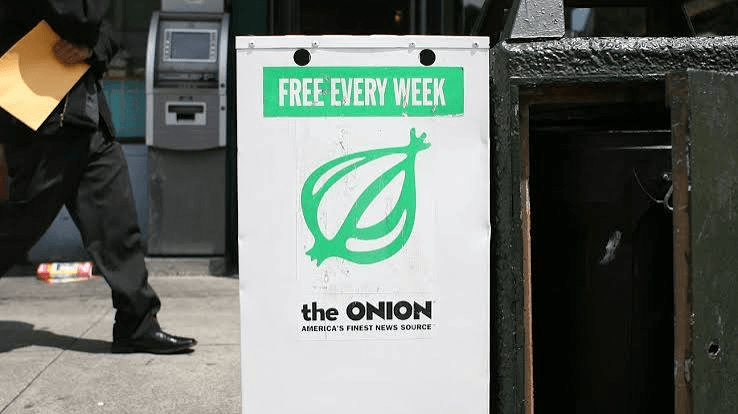

You might have come across rumors claiming “The Onion is going out of business.” This kind of speculation pops up often for popular brands, and it can be confusing for business owners who follow media trends. It’s important to understand where these stories come from and what is actually happening behind the scenes. The Onion is a well-known satire news outlet, so sometimes the line between fact and fiction gets blurred more than usual.
If you heard worrying news about The Onion’s future, take a breath. Reports of its demise have been highly exaggerated—and sometimes intentionally misleading. Let’s break down what to believe and what you can learn for your own business from how The Onion has handled tough changes.
Why People Think The Onion Is Going Away
Confusion about The Onion closing mostly stems from two things: its satirical nature and viral clickbait stories. Because The Onion specializes in parody and fake news, even seasoned business owners can struggle to separate what’s real from what’s written for laughs.
Here are some recent examples that sparked misunderstanding:
- A popular YouTube video jokingly announced, “The Onion is Going Out of Business” as a statement about the difficulty of making satire in a world full of outlandish real news.
- Reddit users spread a thread in the voice and structure of typical Onion humor, titled “The Onion is shutting down”—but it wasn’t a real update.
- A LinkedIn post mimicked an Onion press release and suggested the paper was “shutting down production effective immediately.” In reality, the post was satirizing job creation during the Trump era, not reporting factual news.
If you’re building your own brand, you know how quickly misinformation can spiral. Don’t forget to check the primary sources and official press releases, not just social chatter.
The Print Edition Shuts Down—But the Business Survives
One big reason people keep asking if The Onion is out of business is the confusion between shutting down a specific product—like print newspapers—and ending the actual company. Here’s what really happened:
– In 2013, The Onion announced it would end its remaining print editions and move everyone to an all-online format.
– The final print copies in Chicago, Milwaukee, and Providence went out on December 12 of that year.
– Media outlets at the time confirmed that while print papers were finished, The Onion’s digital presence would continue without a hitch.
It’s easy for readers (and even journalists) to mix up “going out of print” with “going out of business.” For perspective, most major newspapers have downsized physical production in recent years due to rising printing costs and changes in reader habits. The Onion was upfront that its website, videos, and digital content would go on. For business owners, this is a classic example of a pivot—a business changing methods, not quitting completely.
Background on Previous Local Closures
Financial pressure wasn’t new for The Onion, either. Before the 2013 national shutdown of print, they’d already closed several local print markets—including San Francisco and Los Angeles—when ad revenue dropped off.
If you’re managing a multi-location business, note their approach: The Onion evaluated each market independently, closed the least profitable ones, and kept the others running until digital became the main focus. This approach can make transitions less painful and buy valuable time to rethink your channel strategy.
Today’s Ownership Structure and Operations
Now let’s fast forward to the present. You can rest assured: The Onion is still very much alive on multiple platforms. Understanding who owns a brand can show you a lot about business stability and future plans.
– In 2019, The Onion was acquired by G/O Media, a parent company for several digital outlets.
– In April 2024, G/O Media sold The Onion to Global Tetrahedron—a Chicago investment company led by Jeff Lawson, the former CEO of Twilio.
– As part of the acquisition, The Onion’s leadership had to agree to keep operations and staff in Chicago—protecting the publication’s roots and creative culture.
– Ben Collins, formerly of NBC News, took over as CEO, signaling a renewed focus on editorial innovation.
If you’re considering a sale or change in ownership for your own company, pay attention to how The Onion’s transition protected jobs and kept its home base stable. Retaining talent and continuity in leadership makes changes smoother and keeps morale high through uncertainty.
Return to Print: A Strategic Relaunch
Digital-first doesn’t last forever—sometimes, legacy formats make a comeback if there’s audience demand. In August 2024, The Onion surprised skeptics by relaunching its print edition. This wasn’t just nostalgia; it was a calculated move for marketing, visibility, and engagement.
– The return to print was timed to coincide with the Democratic National Convention in Chicago—a moment when the city and national media attention were high.
– The Onion’s own homepage proudly advertised: “The Onion Is Back In Print.”
– National outlets like The Boston Globe called this expansion “hoping to make paper great again”—noting that launching new print distribution is the opposite of closing shop.
For your own planning, consider how “old-school” channels—like print, live events, or radio—can help cut through digital noise. Target relaunches to moments when your audience is most engaged.
Expansion and Acquisition Moves
A key sign of survival and ambition for any company? Active acquisition and growth efforts. In 2026, The Onion reached a deal to acquire Infowars—a controversial website known for conspiracy content. The Onion announced plans to transform Infowars into a satirical “self-parody,” building what it called a “comedic network.”
While the deal was blocked in US bankruptcy court, The Onion’s management made it clear they would continue pursuing creative expansion and new assets. CEO Ben Collins explained that Global Tetrahedron was disappointed by the outcome but still eager to crack into new markets.
If you’re running or growing your own business, this lesson is critical. Smart acquisitions don’t always work out, but showing ambition and adaptability counts for a lot. It keeps your staff engaged and signals to competitors that you’re still a player.
Lessons: How The Onion Avoided the Fate of Other Print Brands
At this point, you might be asking: How did The Onion manage not just to survive but also to grow, where so many print brands failed? Let’s distill a few practical takeaways that apply to any business:
- Embrace Change Fast: The Onion’s swift move to digital in 2013 protected its audience and revenue streams. Whether it’s tech, customer behavior, or regulatory changes, reacting quickly can save your company.
- Cut Unprofitable Segments Early: Closing struggling markets before they drag the entire business down is hard but necessary. Track performance and be willing to let go when the data says so.
- Invest in Your Core Talent: During the 2024 sale, The Onion’s new owners promised no cuts and kept the HQ in Chicago. Values like trust and stability foster loyalty and innovation.
- Relaunch for Relevance: Combining new and old channels—like bringing back print for a special occasion—breathes life into your brand and re-engages lapsed fans.
- Take Bold Strategic Risks: Attempting to buy Infowars, even if unsuccessful, sent a strong message that The Onion remains ambitious and creative.
You can apply these lessons when thinking about your own pivot—whether it means investing in a new product, redesigning your customer experience, or pursuing M&A. Stay nimble and act before disruption forces your hand.
The Onion’s Business Health: Clear Signs of Ongoing Operations
Let’s recap what you should focus on:
– The Onion ended its national print edition in 2013, but did not shut down as a company.
– The website, social media, and video content never stopped. In fact, they stayed industry leaders for satire and parody.
– In 2024, The Onion was bought by new Chicago owners who invested in staff, operations, and a print relaunch to capitalize on key moments.
– Major expansion moves, like the effort to buy Infowars, show serious intent to grow rather than downsize.
If you want to measure The Onion’s health, look at revenue streams, audience size, new product launches, and strategic mergers or acquisitions. All of these trends point to a robust business. For more on how acquisitions shape growth, see [this small business resource](https://startbusinessline.com/).
What To Watch and What You Can Learn
The takeaway for business managers and entrepreneurs is simple: Don’t trust every negative headline, especially about famous brands in creative industries. Always confirm with primary sources. Track what matters—real staff, new products, investment plans, and strategic pivots—not just rumor or sentiment.
If you’re seeking to future-proof your own company, consider these steps:
- Monitor market trends and move quickly when customer preferences shift.
- Scale back or exit markets or products that aren’t performing.
- Communicate transparently with your staff during change to keep buy-in high.
- Use old channels for special launches, not just nostalgia, to spark media coverage and reconnect with your base.
- Take calculated risks, even if not every one pays off—ambition gets noticed in crowded spaces.
This can help you manage growth even when others are shrinking.
Conclusion: Don’t Believe the Satire—The Onion Remains Strong and Ambitious
Despite the rumors, The Onion is not shutting down. While clickbait and “fake news” posts generate buzz, the real story is one of resilience and growth. The brand survived the loss of print by doubling down on digital, protected its creative staff through ownership changes, and has returned to print in a smart, targeted way.
Even failed acquisitions have not slowed The Onion’s ambition. The company remains a leader in humorous media and continues to explore new frontiers. As a business owner, you can learn a lot from this example—embrace change, protect culture, and always look forward.
For now, The Onion is alive, well, and even growing. Keep that in mind as you plan your next move, cut through marketplace noise, and focus on smart, mission-driven decisions.
Also Read This: