
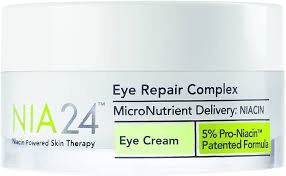

If you’re a small business owner, entrepreneur, or skincare enthusiast, you notice when a respected brand disappears from shelves. Nia24, a medical-grade skincare line known for its niacin-based formulations, quietly shut its doors several years ago. But why did this happen, and what does it mean for customers and the industry? This guide gives you a clear, practical breakdown—plus tips to help you navigate similar business shifts.
Who—and What—Was Nia24?
Nia24 wasn’t just another beauty line crowded into the wellness aisle. It earned attention for clinical results, targeting skin health through proven ingredients like Pro-Niacin (a patented, dermatologist-favored form of vitamin B3). Dermatologist offices and high-end retailers frequently stocked its gentle cleansers, mineral sunscreens, and rich creams. Shoppers trusted Nia24 for visible improvements in sun damage, texture, and resilience.
It’s important to realize that Nia24 was owned and managed by StriVectin, a major force in the skin science space. By leveraging its expertise, StriVectin helped Nia24 carve a strong niche within medical-grade skincare during its run.
Public Announcement: Nia24’s Official Closure Timeline
Rumors circulated throughout 2019, with fans noting fewer product restocks and growing scarcity. In November of that year, the situation became clear. Respected dermatology retailers announced the news: “Effective December 1, 2019, NIA24 is closing.” This was not a rumor or a temporary shortage. The decision meant all Nia24 production would end—permanently—and nothing would be rebranded or continued under a new name.
Further communication explained that, after December 27, 2019, “Nia24 would no longer be available from any outlet.” This gave resellers and shoppers a final window—just weeks—to grab whatever inventory remained.
Why Did Nia24 Shut Down?
Business closures always spark speculation. With Nia24, the answer was straightforward yet instructive for any business leader: StriVectin, the parent company, chose to refocus its resources. The company made a strategic call to “invest only in the StriVectin retail brand” and withdraw from “medical-grade” ventures like Nia24.
This pivot reflects a principle you see across industries. When a parent brand wants to maximize growth, it will sometimes consolidate, concentrating time, capital, and marketing muscle on a single flagbearer. It’s a lesson in knowing when to double down versus spread out—an approach that can help you steer your business when faced with changing markets.
Documented Proof: Discontinuation in Action
If you’re unsure whether a brand is truly closed, look at retailer behavior and customer reports. Here’s how you can typically spot a permanent discontinuation:
– Retailer listings flip to “discontinued” or “out of stock” with no promise of restock.
– Brands post no updates, marketing, or product launches for months.
– Product pages switch from “Add to Cart” to “No Longer Available” signals.
– Customer reviews mention “out of business” or encourage last-chance buying.
For Nia24, websites selling favorites like 100% Mineral Sunscreen SPF 30, Gentle Cleansing Cream, and Physical Cleansing Scrub all posted notice of discontinuation. Some redirected customers to alternate products or competing brands. Even major outlets like Dermstore and LovelySkin marked Nia24 as “discontinued,” stripping away the purchase button altogether.
Customers also became vocal—leaving feedback such as “Nia24 is no longer available” and “I’m sad to see this brand go.” If you’re tracking brand health in your own business, pay close attention to shifts in public comment frequency and content. That feedback is often the first sign of larger system shifts.
Final Inventory: Where Can You Still Find Nia24?
When a brand shuts down, it rarely disappears completely overnight. Sellers and loyalists scramble to pick up final bottles and tubes. For a while after December 2019, you could spot Nia24 items on clearance at authorized skincare clinics, prominent beauty websites, and select resellers. But these sales came with warnings: “All sales final—no returns or refunds.”
It’s important to manage expectations about old inventory. Skin and personal care products have shelf lives—typically 1-2 years, but sometimes less for active ingredients. Using products past their prime can reduce efficacy or, in rare cases, cause skin irritation. Always check the expiration date and consider buying from official outlets if you stumble across clearance Nia24. When in doubt, email the seller to confirm when the product was manufactured.
Sorting Out Confusion: “Nia24” Versus Similar Names
Sometimes Google search results can make research more frustrating than helpful. If you’ve seen pages for “NIA Consultants” or similar names, don’t be fooled—these have nothing to do with the now-discontinued skincare line. The Nia24 brand in question belonged exclusively to StriVectin, focusing explicitly on niacin-based medical skincare science. If your goal is to find substitutes, stick to clinical-grade lines and avoid unrelated corporate entities.
For clarity, always cross-reference a brand’s social media, product packaging, or parent company homepage. That way, you reduce the risk of confusing a shuttered skincare line with another, unrelated NIA company.
How to Adapt When a Favorite Brand Shuts Down
Losing access to a trusted skincare product—or any business tool—can feel frustrating, especially if you counted on the results. Here’s a productive framework to pivot:
– Identify the unique qualities you valued (for Nia24, the niacin-based technology was key).
– Look for brands with transparent ingredient lists, clear clinical evidence, and a trusted retailer network.
– Consider consulting with your dermatologist, who may have tested replacements for Nia24’s formulas.
– Use trial sizes to check new products’ fit before committing to a full regimen overhaul.
Don’t forget to contact customer service at reputable skincare providers. Many offer guidance or even product sample packs designed for former customers of discontinued lines. Use your buying power and product reviews to encourage innovation and honest, science-backed claims.
Lessons for Entrepreneurs: What You Can Learn from Nia24’s Exit
If you manage a business facing tough resource decisions, Nia24’s story provides practical insights. Sometimes, even beloved products must make way if the parent brand sees higher growth potential elsewhere. This means you should:
– Regularly check your product lineup profitability versus cost—focus on those driving real returns.
– Stay alert to industry trends that might affect customer demand or regulatory landscape.
– Communicate any major strategic changes clearly, both internally and to your customers.
– Prepare an exit or transition plan that respects loyal fans, includes final sales, and addresses inventory.
Companies that weather major transitions don’t leave buyers in the dark. Craft a customer FAQ and invest in email updates about next steps, returns, or substitute products. By doing this, you show reliability—a value that outlasts any single item.
Where Are Nia24’s Resources Going Now?
StriVectin redirected its focus and capital to its mainline, over-the-counter skincare offerings. Their move to end Nia24 and invest in mass retail echoes a wider industry pattern: streamline, simplify, and maximize flagship success. This can help you reconsider your own approach, especially when managing multiple product lines or chasing both B2B and B2C segments.
For broader strategies on pivoting, new launches, or brand sunsetting, explore resources like this practical business startup guide. You’ll find actionable advice on minimizing churn, clarifying value propositions, and keeping staff energized during change.
Key Takeaway: Nia24 Is Out of Business, With Only Old Stock Remaining
You may still spot Nia24 online from time to time, but don’t count on it for much longer. The facts are clear: Nia24 stopped producing skincare products after December 1, 2019. Existing inventory sold off through December 27, 2019, with a final sell-through period guided by shelf life.
If you’re a former Nia24 customer, focus your energy on researching science-driven alternatives. If you’re a business owner, learn from this example—sometimes prioritizing your best-performing assets is the right call. By keeping customers informed and acting decisively, you bolster loyalty even during tough transitions.
Stay alert for similar business news, and use these changes to sharpen your ability to adapt and thrive. Change isn’t easy, but with the right strategy, it can position you for bigger wins.
Also Read This: