
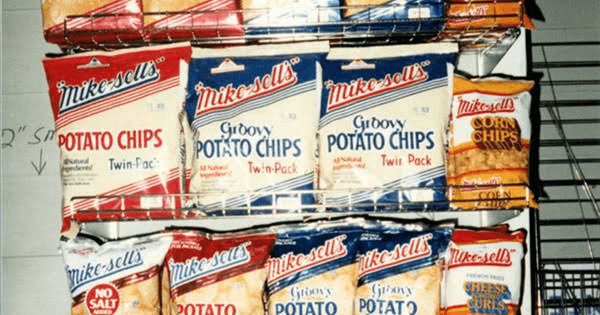

Is the Mikesell’s brand gone for good? Not quite. If you’re a Midwest snack fan, you’ve probably heard about the shakeup at Mike Sells, the legendary Dayton-based chip company. Let’s break down what happened, what it means for the business, and how the brand found a new life.
Closure of Mike Sells Company
When a centennial family business shuts down, it catches people’s attention. On February 1, 2023, Mike Sells Snack Food Company announced a full closure of its operations in Dayton, Ohio. The company, famous for its potato chips and snacks since 1910, began winding down all manufacturing, distribution, and administrative work.
This closure meant an immediate impact for the community. Around 100 employees were suddenly out of work. For Dayton, which had long embraced Mike Sells as a local success story, the news also brought economic concerns. Regional suppliers, delivery partners, and local shops felt the ripple effect. Dayton lost not just a long-standing employer, but a familiar part of its cultural fabric.
For you as a business leader, events like this highlight the impact a single company can have—not just financially, but emotionally for employees and communities. When a business of this vintage closes, it’s a reminder to always plan for legacy and transition.
Decision Behind the Closure
Why would a century-old business decide to shut its doors? Mike Sells didn’t leave customers or employees wondering. The company explained its reasoning clearly: keeping operations running had become unsustainable. Intense competition, cost pressures, and changing consumer preferences all weighed heavily. Year over year, it became harder to remain profitable as an independent snack producer.
Their goal was to avoid letting the brand itself disappear entirely. Instead of slowly fading away, Mike Sells management made a strategic decision. They focused on preserving the viability of the “Mikesell’s” name. This meant honestly evaluating where their strengths lay—their brand, recipes, and reputation—rather than their costly manufacturing infrastructure.
If you’re running an established business, consider this approach. Sometimes, focusing on the core value—your intellectual property, your brand story, or your relationships—can help you pivot even when production isn’t sustainable.
Asset Liquidation Details
Winding down a major operation is never easy. Mike Sells initiated a formal asset liquidation process in early 2023. Liquidation means converting all physical and non-physical business assets into cash, often to pay off debts or creditors. For Mike Sells, this included selling off equipment, distribution trucks, real estate, and unused inventory.
Shutting down after more than 100 years took more than flipping a switch. There were lengthy negotiations with creditors, decisions about what assets could be repurposed, and months of support for former employees.
If your business ever faces a wind-down, you’ll want a clear step-by-step plan:
– List all major assets and get them appraised.
– Communicate transparently with all stakeholders.
– Prioritize debts and obligations.
– Provide resources and clear end dates for workers.
This approach protects your reputation and can sometimes create opportunities for your brand’s next chapter.
Continuation of Mikesell’s Brand
Here’s where the Mike Sells situation becomes instructive for other businesses. Instead of discontinuing everything, management took deliberate action to keep the Mikesell’s products alive in stores. Their plan? Transfer the brand and product recipes to a new, quality-focused manufacturer.
Mike Sells issued public statements to reassure snack fans. They specifically said they wanted to enable an “uninterrupted supply of Mikesell’s products.” Transitioning the brand meant working out an agreement with another company that could honor the original recipes, packaging, and market presence.
Consider what makes your product unique—flavor formula, logo design, even the feel of your packaging. Protect those details, and they can survive business changes. Don’t forget to document processes and recipes so new partners can maintain consistency.
New Ownership by Conn’s Potato Chips
So, who picked up the Mikesell’s torch? On February 13, 2023, Conn’s Potato Chips Company purchased the entire Mikesell’s brand, including intellectual property rights. Conn’s moved quickly—production of Mikesell’s-branded products restarted the very next day.
Conn’s Potato Chips, another Ohio-based snack powerhouse, understood the value of keeping Midwest snack traditions alive. By acquiring the Mikesell’s name and recipes, Conn’s ensured beloved snacks like the iconic “Sweet Maui Onion” potato chips remained on shelves.
Here are key benefits of such transitions:
– Your brand maintains shelf presence and customer loyalty.
– The new owner carries forward your product’s ethos and quality, even under new management.
– Employees and customers get a sense of continuity, even after a business closure.
If you want to protect your legacy, explore transitions to peers or competitors with aligned values. A quick, public announcement about ownership transfer also reassures customers and retail partners.
Impact on Customers and Products
For the loyal Mikesell’s customer, the biggest question is simple: Can I still buy that favorite snack at the store? Thanks to the brand transition, the answer is yes. The Conn’s-led supply chain has continued producing Mikesell’s snacks, keeping the same recipes and commitment to product quality.
Management from both companies publicly promised that the signature tastes—the crunch, the saltiness, the unique flavors—would not change. This can help preserve customer trust through a business transition. In today’s food industry, product consistency is key to survival. When recipes or packaging shift too much after an acquisition, customers notice and often leave.
Businesses should treat customer trust like gold. When handed a legacy brand, make it clear that you’ll honor original standards and quality. For example:
– Use the same suppliers for core ingredients.
– Maintain original cooking and packaging methods.
– Invite former customers to give feedback on the “new” product.
Initial customer reception post-transition was cautiously optimistic. Some called local stores or posted on social media to confirm the snacks were really “back”. Others reported the taste was just as they remembered. You can use customer nostalgia as a powerful bridge during a brand handoff, but only if you deliver what’s expected.
Legacy of the Original Mike Sells Company
Even now, with the physical company shuttered, Mike Sells’ contribution to Dayton and the region remains immense. You’ll see tributes from longtime residents, and news stories covering the company’s decades of giving back.
Mike Sells was more than a snack producer. For over a century, they sponsored youth sports, supported local causes, and provided steady employment for waves of Dayton families. This is what many small- and medium-sized businesses aspire to achieve: deep roots, meaningful engagement, and a sense of pride in community outcomes.
How can you create this type of legacy? Here are a few ideas:
– Support community institutions and reinvest locally.
– Develop products that genuinely meet local preferences or needs.
– Foster a workplace people are proud to represent.
Even as a brand transitions, these reminders of genuine impact echo far beyond the factory floor. A business that’s respected for its values can often outlast the walls of its building or the boundaries of its original team.
How to Plan for a Brand Transition in Your Own Business
If you’ve run a company—or you plan to—think ahead about brand succession. Protecting your name, recipes, and goodwill is vital. You never know when market forces may push you to rethink operations.
Here’s a practical playbook:
– Regularly document your key business processes and intellectual property.
– Nurture relationships with peers and potential future partners, even if you’re not ready to sell.
– Consider how your brand can exist even if your company structure changes. Could someone else manufacture your product under license?
Preparing ahead gives you options in challenging times. That way, your legacy and products may keep going, even if your company must close.
Looking Ahead: Turning Endings Into New Beginnings
Mike Sells’ transition shows that closure doesn’t always mean the end. With strategic planning, honest communication, and the right partners, your business’s best-known products and values can survive difficult periods. If you’re thinking about exit planning, or you want to future-proof your brand, take this as inspiration.
The Mikesell’s story also underscores the importance of carefully selecting your acquirer. Look for someone with experience, regional ties, and a commitment to product integrity. That’s how you stay relevant in the minds of your customers, even when ownership changes.
Want more ideas for sustaining your brand, even through ownership changes? You can explore practical succession guides and small business playbooks at StartBusinessLine. This resource offers step-by-step support for protecting your business’s future.
Conclusion: Lessons from Mike Sells’ Next Chapter
In summary, Mike Sells did go out of business as an independent snack producer in early 2023. The original Dayton company has closed, its assets liquidated, and its workers moved on. But the Mikesell’s brand and products live on—now produced by Conn’s Potato Chips, using the old recipes and trusted methods.
For you, the lessons are clear: prioritize your brand, document your unique advantages, and plan for transitions. Business closures are tough, but with the right strategy, your legacy—and your product—can keep delighting customers for decades to come.
Also Read This: