
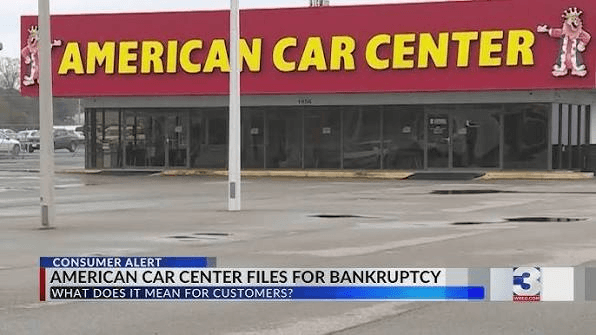

If you’ve wondered about American Car Center lately, you’re not alone. This well-known used car dealership once ran dozens of lots in the Southeast, focusing on people who needed subprime auto loans. Now, those locations are dark—and a lot of people want to know why, what it means for their loans, and whether there’s anything to worry about. Let’s walk through exactly what happened, why it matters, and what you need to do if you’re affected.
What Happened? American Car Center’s Abrupt National Shutdown
On February 24, 2023, employees at American Car Center got a sudden email. The message was clear and final: the company was closing all business operations effective immediately, and every employee would be terminated at the end of that day.
American Car Center wasn’t small. They had about 40 to 50 dealerships in states like Florida, Georgia, Alabama, North Carolina, and Tennessee. Many of these communities depended on them for used vehicles and financing. When news broke, workers found themselves locked out or sent home—customers who showed up to make payments or check on their cars were just as surprised.
The impact was instant. Dealerships across all ten or so states closed for good, leaving both employees and buyers with lots of questions and few answers.
Why Did American Car Center Close Its Doors?
It’s important to understand that American Car Center’s shutdown was not just about slow sales or local setbacks. Key financial trouble played a central role.
A day before closing, the company canceled a massive $222 million bond sale. This kind of bond sale is a way for companies to raise money from investors, backed by future payments from loans. For American Car Center, this move was supposed to provide enough cash (liquidity) to keep operating and fund its lending.
Unfortunately, when the bond sale failed, the company couldn’t get the money it needed. This left American Car Center with bills it couldn’t pay and no clear way to fund its subprime auto loan business.
Consider what their business model looked like: providing used cars and loans to people with low credit scores or no credit history. That group is considered “subprime”—higher risk but willing to pay more in interest.
During late 2022 and early 2023, the risks grew even larger. Car prices remained high, repossessions increased, and more people struggled to keep up with loan payments. When delinquencies rise, financing for subprime cars often dries up. Investors become cautious, and used car companies can’t access new funds.
A Closer Look: Chapter 7 Bankruptcy Filing
When a company can’t pay its bills and has no pathway to recover, bankruptcy becomes the legal next step. On March 14, 2023, American Car Center—under the formal name RAC Dealership, LLC—filed for Chapter 7 bankruptcy in Delaware.
So what does Chapter 7 mean for you as a customer or an interested business owner?
– Chapter 7 bankruptcy is a legal process that results in liquidation, not reorganization. The company’s assets are sold off to pay creditors. There is no plan to keep operating or return from hiatus.
– In its bankruptcy filing, American Car Center reported between 1,000 and 5,000 creditors. That includes banks, vendors, employees, and customers with unresolved service claims.
– The company’s total assets and debts were both between $50 million and $100 million.
This process usually means there’s no chance the business will reopen under the same name or with the same leadership.
Employee Fallout: WARN Act Violations and Lawsuits
For employees, the abrupt closure hit especially hard. With no warning and no formal notice, thousands of people lost their jobs in a single afternoon.
Several workers immediately filed a class action lawsuit. They claimed American Car Center had violated the federal WARN Act. The WARN Act requires larger employers to provide at least 60 days’ written notice before mass layoffs or closings.
Because workers got no advanced notice, and the shutdown was so sudden, the lawsuit contends the company broke the law. If the court agrees, former employees could be entitled to more pay or damages. If you’re an employer, it’s a good example of why compliance with the WARN Act matters—not just for legal reasons but also for company reputation.
This situation also left many local HR teams scrambling. You can avoid similar problems in your own business by building an emergency communication plan and tracking employment laws in every state where you operate.
What Customers Need to Know Right Now
If you bought a car or got financing with American Car Center, you probably have two big questions: Is my dealership gone forever? And who handles my loan now?
Let’s break down the answers:
– All American Car Center dealerships are permanently closed. This isn’t a temporary closure. There will be no reopening under the old brand.
– If you financed your car, your existing loan is still active and must be repaid, but you’ll be dealing with a new company.
Shortly after the shutdown, American Car Center announced that all customer loans would be serviced by Westlake Portfolio Management (WPM). Westlake is an established financial company that handles loan payments, customer calls, and repossessions for other lenders. In some states, Westlake Financial Services—an affiliate—reported buying up the loans issued through American Car Center’s lending arm.
So, if you get a letter, email, or phone call from WPM or Westlake Financial, don’t ignore it. This is your new lender contact.
Actions for Current American Car Center Customers:
– Look for official communication from Westlake Portfolio Management. They should send information about how to make payments.
– Update your payment method. If you set up automatic bill pay with American Car Center, switch it over to your new account at WPM.
– If you have payment concerns, contact Westlake’s customer support. Take notes on what was said and who you spoke with.
– Keep copies of all loan documents and correspondence in case questions come up later, especially if your account was in the middle of a transition when the shutdown happened.
Be wary of scams or phishing attempts. If someone calls or emails asking for personal information, always check their credentials before providing anything.
How This Impacts the Used Car and Subprime Lending Markets
If you’re a business owner in auto sales or lending, this event has bigger implications.
American Car Center’s collapse signals how vulnerable subprime auto lenders can be when market conditions change. High loan delinquencies and rising car prices create a ripple effect. When companies rely on bundling loans into bonds to raise new money, any hiccup in the financial market can freeze their business overnight.
If your business model depends heavily on high-risk borrowers, track trends in loan default rates and keep alternative cash options handy. Diversify your funding sources and be careful about expanding too quickly during boom periods. Companies that survived the 2023 credit crunch had stronger reserves and tighter underwriting standards.
For those thinking about starting a dealership or lending company, it’s wise to research how other firms are responding to these changes. Sites like StartBusinessLine offer strategies for launching and scaling businesses, including tips for weathering sudden market shifts.
Key Takeaways and Action Steps For You
American Car Center is out of business for good. All dealerships are closed, employees have been terminated, and loans are now managed by other companies.
If you’re a customer:
– Continue making regular payments on your car loan.
– Confirm your new lender’s identity and keep personal records.
– Direct all service or payment questions to Westlake Portfolio Management.
If you’re an employee or HR professional:
– Monitor the progress of the WARN Act lawsuit and seek legal guidance as needed.
– Use this experience as a case study for the importance of compliance and worker support.
For business leaders and entrepreneurs:
– Study American Car Center’s downfall as a reminder of liquidity risk, the importance of reliable funding, and the realities of subprime lending.
– Review your own company’s financial cushions and disaster planning.
Change is never easy—especially when it’s sudden and outside your control. But you can protect yourself by staying informed, acting quickly, and keeping good records. If you’re paying off a loan, stick to your schedule and reach out to Westlake with questions.
Business closures often leave a lot of confusion in their wake. With the right habits and a proactive attitude, you can manage the transition and avoid penalties or extra stress.
Don’t forget to share this info with friends or family who may also be affected. The more you know about why American Car Center went out of business and what steps to take, the sooner you can regain control and move forward with confidence.
Also Read This: