
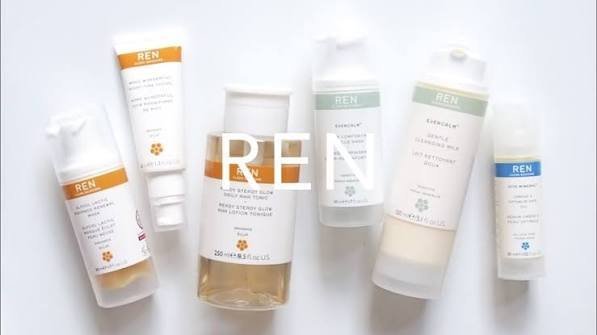

If you’re a fan of Ren Clean Skincare, you’ve probably seen the headlines. Yes, Ren Skincare is going out of business. Unilever, the company that owns Ren, recently made it official—they’re shutting the brand down, with all operations expected to end by the third quarter of 2025. This news has caught many loyal customers off guard, and understandably, there’s confusion about what’s really happening.
Let’s break down every major detail so you know exactly where things stand. If you use Ren products in your daily routine, this overview will explain why the brand is closing, what’s still available, and how you can plan ahead. Consider this your practical guide to Ren’s final chapter.
Ren Skincare’s Status: Official Closure Announced
Unilever has now confirmed that Ren Skincare will close for good, following an internal consultation. This process wasn’t sudden—there’s been speculation in the industry for months. Unilever cited “a combination of internal factors, compounded by market challenges,” as reasons behind the move.
While some fans hoped for a turnaround, the company’s statement leaves little room for doubt. There is no plan to keep Ren running under Unilever or another owner. As things stand, Ren will cease trading by the end of the third quarter of 2025, though an exact shutdown day hasn’t been named.
This means Ren Skincare’s closure is formal, not just a rumor, so the clock is ticking for anyone who wants to buy favorite products before they’re gone for good.
Still Trading: Inventory and Discounts Until 2025
It’s important to know that Ren is not already gone. The brand is still selling through its website and other retailers right now. Unilever has said Ren will keep trading until around autumn 2025, when production is expected to end.
If you check the Ren website or look at beauty outlet reports, you’ll notice a wave of closing-down sales is underway. Discounts—sometimes 30% to 50% off—are popping up, both direct from Ren and at partner retailers. This can be a smart chance to stock up, but remember: once the final batches are sold, there won’t be any new Ren products made.
That also means inventory will run out unevenly. Some popular items may disappear long before the company’s formal closure. You can still find Ren in stores for now, but availability will decline across 2024 and especially into 2025 as products sell out.
Reasons Behind Ren’s Shutdown: Internal Struggles and Market Pressures
Why did Ren Skincare fail to survive in a market it helped define? The reasons are practical—and a little sobering for anyone following beauty industry trends.
– Internal Restructuring at Unilever: Unilever is actively cutting several beauty brands that don’t fit its new strategy. Ren was one of the labels deemed less essential to their core future plans.
– Market Saturation: The clean beauty category, once a fresh space, is now crowded with many new brands. It’s harder to stand out as “green” or “clean” when almost every other product makes similar claims now.
– Tougher Competition: Larger and nimbler competitors ramped up innovation, product launches, and partnerships—leaving Ren struggling to keep up.
– Lack of Sufficient Innovation: Industry insiders point out Ren’s slower pace of new product launches and a less clear brand identity over recent years. When your unique selling points become common, you need to reinvent or refresh. Ren wasn’t able to do this at the necessary scale.
– Unfocused Strategy: Reports suggest the brand’s direction became muddled, especially in the US market. Ren struggled to win attention against both rising indie competitors and better-resourced giants.
– No Viable Buyer: Perhaps most critically, Unilever tried and failed to sell Ren. Analysts say that by early 2024, the brand was seen as too weak and unprofitable for acquisition.
For a business owner or founder, these issues are instructive. When a brand lets differentiation slide, or pivots without a clear strategy, it risks sliding into irrelevance. Ren’s story is a reminder to measure performance, adapt quickly, and always keep your competitive edge sharp.
Future Prospects: Is There Any Hope for Ren Skincare?
Right now, Unilever and industry regulators have confirmed there are no credible rescue efforts left on the table. While Unilever did consider selling Ren to another beauty company or investor, there were no takers.
Beauty trade publications and financial analysts echo this conclusion. The consensus is clear: Ren is “unlikely to be saved,” and a last-minute buyer is not expected to appear. In practical terms, this means Ren Clean Skincare will truly be discontinued by late 2025, with no plans to revive the brand or continue production under any other owner.
For entrepreneurs and managers, this shows how even established names can face market exit if they can’t stay relevant or find a new home in time. Take this as proof that you need to monitor market trends, pursue innovation consistently, and build a brand with strong long-term value—not just early buzz.
Practical Advice for Customers: What You Should Do Now
If Ren Skincare has been your go-to for cleansers or moisturizers, it’s time to act quickly. Don’t wait until shelves are empty to search for replacements. Here’s how you can plan ahead to minimize disruption:
– Stock Up Now: Identify your “can’t live without” Ren products. Purchase extras during current closing-down sales, since most discounts will increase as inventory dwindles.
– Sign Up for Alerts: Join the Ren newsletter or follow your favorite retailer on social media. You’ll hear about new discounts, low stock notices, and “last chance” reminders.
– Start Researching Alternatives: Test similar products from other clean beauty brands while you still have Ren in your routine to compare. Read ingredient lists and reviews for the closest match.
– Watch for Counterfeits: When a sought-after brand closes, fakes and expired goods often pop up in secondary channels. Always buy from trusted sellers.
– Transfer Loyalty Rewards: If you have points or perks through Ren’s direct site, redeem them soon. Most rewards programs are usually paused once formal shut-down dates are announced.
It’s important to view this as an opportunity to try something new in your skincare routine. You can use discounts now to gradually make changes, rather than overhaul everything at once when your supply runs out.
Lessons From Ren Skincare’s Closure for Business Owners and Founders
Whether you run a small business or manage a growing startup in any industry, Ren’s story holds a few clear reminders:
1. Regularly Assess Your Market Position: Don’t let early innovation be the only thing that defines you. Set time aside every year to review your core advantage and adapt if you’re feeling squeezed by competitors.
2. Innovate Relentlessly: Launch at least one new feature or product per year that truly addresses customer pain points. Ask for direct feedback and act on it quickly.
3. Prepare an Exit Strategy: In crowded markets, always have a plan for mergers, acquisitions, or brand pivots. That way, if growth stalls, you still control the outcome—not a distant parent company.
4. Communicate With Customers: Be transparent about upcoming changes, product retirements, or delays. This builds trust, so if you must wind down, your loyal base remains loyal to your next venture.
You can find more practical entrepreneurial playbooks and strategies at Start Business Line. There, you’ll find guides on everything from surviving brand exits to exploring new markets or launching your first product line.
The Bigger Picture: Brand Streamlining and What’s Next for Unilever
Ren Skincare’s closure isn’t a one-off. It fits into Unilever’s wider overhaul as the company reviews and tightens its entire portfolio. In the past two years, Unilever has cut several underperforming brands while doubling down on fast-growing names.
For business strategists, this is a classic case of brand portfolio management. Sometimes, even recognizable brands with loyal customer bases get cut if they’re not profitable enough, or if the overall market has changed. Don’t forget to apply these lessons to your operation—focus resources on innovations that actually move the needle for your bottom line.
Conclusion: What the Ren Skincare Shutdown Means for You
To sum up: Ren Clean Skincare is going out of business, with closure set for Q3 2025 as confirmed by owner Unilever. The decision comes after internal evaluations and unsuccessful attempts to find a new buyer. For regular users, you can still buy Ren products for several more months, but supplies won’t last forever.
Take this announcement as your cue to plan. Stock up on favorites, watch for deals, and start testing alternatives before the shelves are empty.
If you run a business or manage a team, use Ren’s experience as a lesson in innovation, market positioning, and staying close to your customers. That way, you can build something that stands the test of time—even when markets change and competition heats up.
Also Read This: